


When Food Isn't Enough
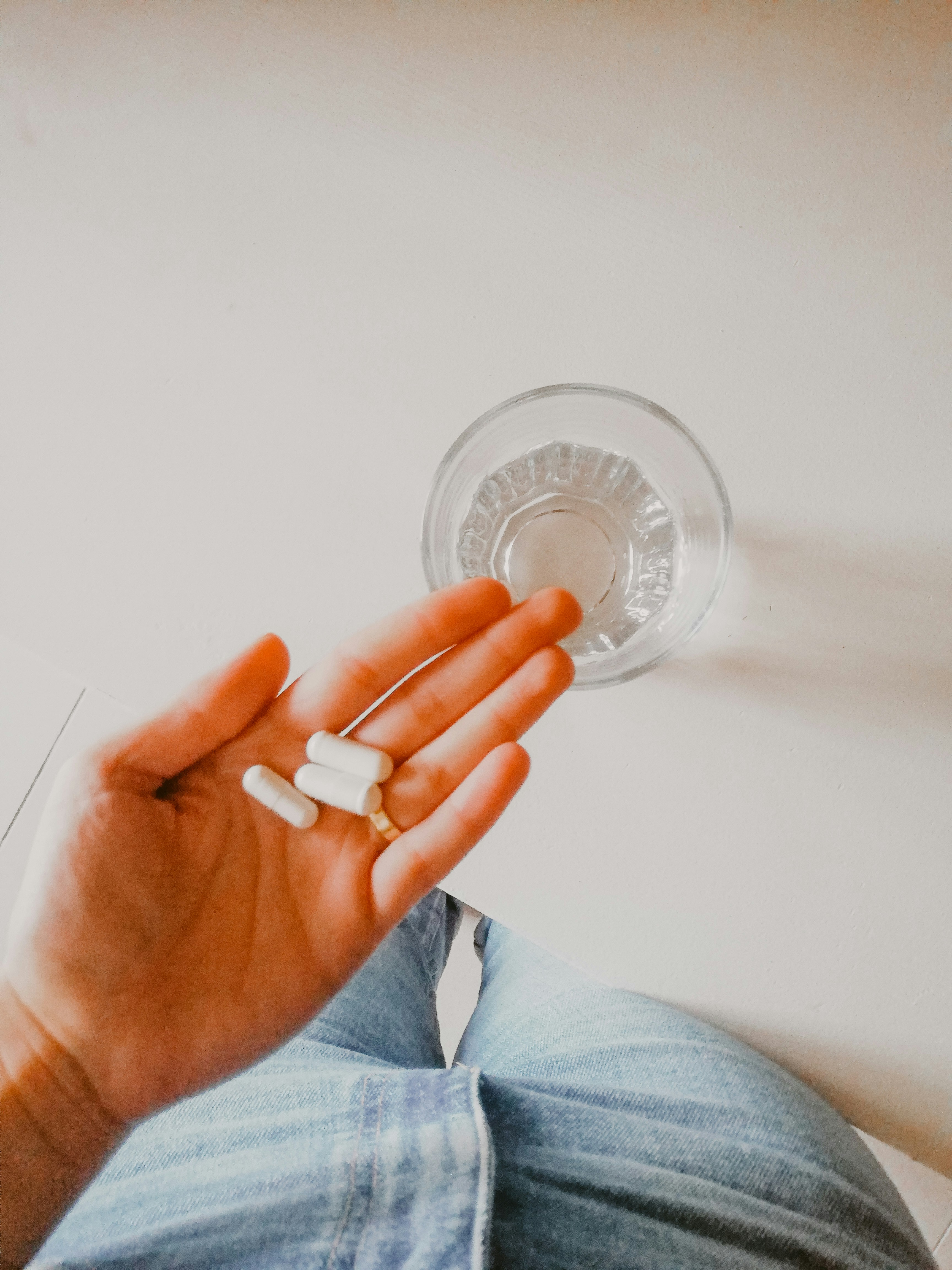
For many people dealing with iron deficiency fatigue, dietary changes are an important foundation, but they don't move the needle fast enough. If ferritin is low, symptoms are significant, or absorption is compromised due to gut issues, supplementation becomes a necessary part of the picture.
The challenge is that iron supplements have a well-deserved reputation for causing side effects, primarily constipation, nausea, and stomach cramping. This leads many people to either stop taking them or avoid them altogether. The good news is that the right form, dose, and timing strategy makes a significant difference in tolerability.
Forms of Iron: Not All Supplements Are Equal
Iron supplements come in several different forms, and they vary considerably in both absorption and side effect profiles.
Ferrous sulphate is the most commonly prescribed form. It's inexpensive and reasonably well absorbed, but it has the highest incidence of GI side effects. This is the form most often causing the constipation and cramping that derails supplementation.
Ferrous bisglycinate, also known as iron bisglycinate chelate or gentle iron, is bound to glycine which improves absorption and significantly reduces GI side effects. Research suggests it's absorbed up to 2 to 3 times more effectively than ferrous sulphate at lower doses, making it the form I recommend most often in practice for patients with sensitive digestion.
Ferric iron forms are less well absorbed than ferrous forms and generally not first-line choices unless specifically indicated.
Liquid iron preparations, including those derived from food-based sources like Floradix or Spatone, are often better tolerated for people with significant sensitivity, though they typically contain lower elemental iron doses and work best for mild deficiency or maintenance.
Dosing: More Is Not Always Better
A common misconception is that higher doses of iron lead to faster recovery. In practice, doses above 60-90 mg of elemental iron per day significantly increase side effect burden without proportionally improving absorption. The gut has a ceiling on how much iron it can absorb at once.
For many patients, especially those with moderate deficiency, lower doses taken on alternate days have shown comparable or superior ferritin restoration to daily high-dose regimens, with far better tolerability. This is because the gut's iron absorption receptors reset between doses, improving uptake efficiency.
Timing Strategies That Improve Results
Taking iron on an empty stomach maximizes absorption but also maximizes the likelihood of GI upset. If this is an issue, taking iron with a small amount of food reduces side effects meaningfully, with only a modest reduction in absorption. Pairing iron with a source of vitamin C, such as a small glass of orange juice, enhances uptake. Avoiding calcium, dairy, coffee, and tea within two hours of taking your supplement is important as these all compete with or inhibit iron absorption.
For patients who still struggle with GI symptoms, switching to an evening dose or alternate-day dosing is often the practical solution that allows them to continue supplementing without quitting.
How Long Until You Feel Better?
This is one of the most common questions I hear, and the honest answer is: it depends. Serum iron levels tend to improve relatively quickly, often within a few weeks. But ferritin, which reflects stored iron, can take three to six months of consistent supplementation to restore meaningfully. Most people notice some improvement in energy within four to six weeks if they are consistent and the dose is appropriate.
Retesting your iron panel at the three-month mark is a reasonable benchmark. If ferritin isn't moving despite consistent supplementation, this points to a gut absorption issue that needs investigation.
When to Work with a Practitioner
Iron supplementation is generally safe, but it isn't appropriate in all cases. Conditions like haemochromatosis (iron overload), certain anaemias, and some inflammatory conditions change the picture entirely. Testing before supplementing is always the right starting point, and working with a practitioner to interpret results in context will always give you better outcomes than guessing based on symptoms alone.
If you've worked through all three parts of this series and are ready to start addressing your iron levels in a structured way, that's exactly what a naturopathic consultation is designed to help with.


