


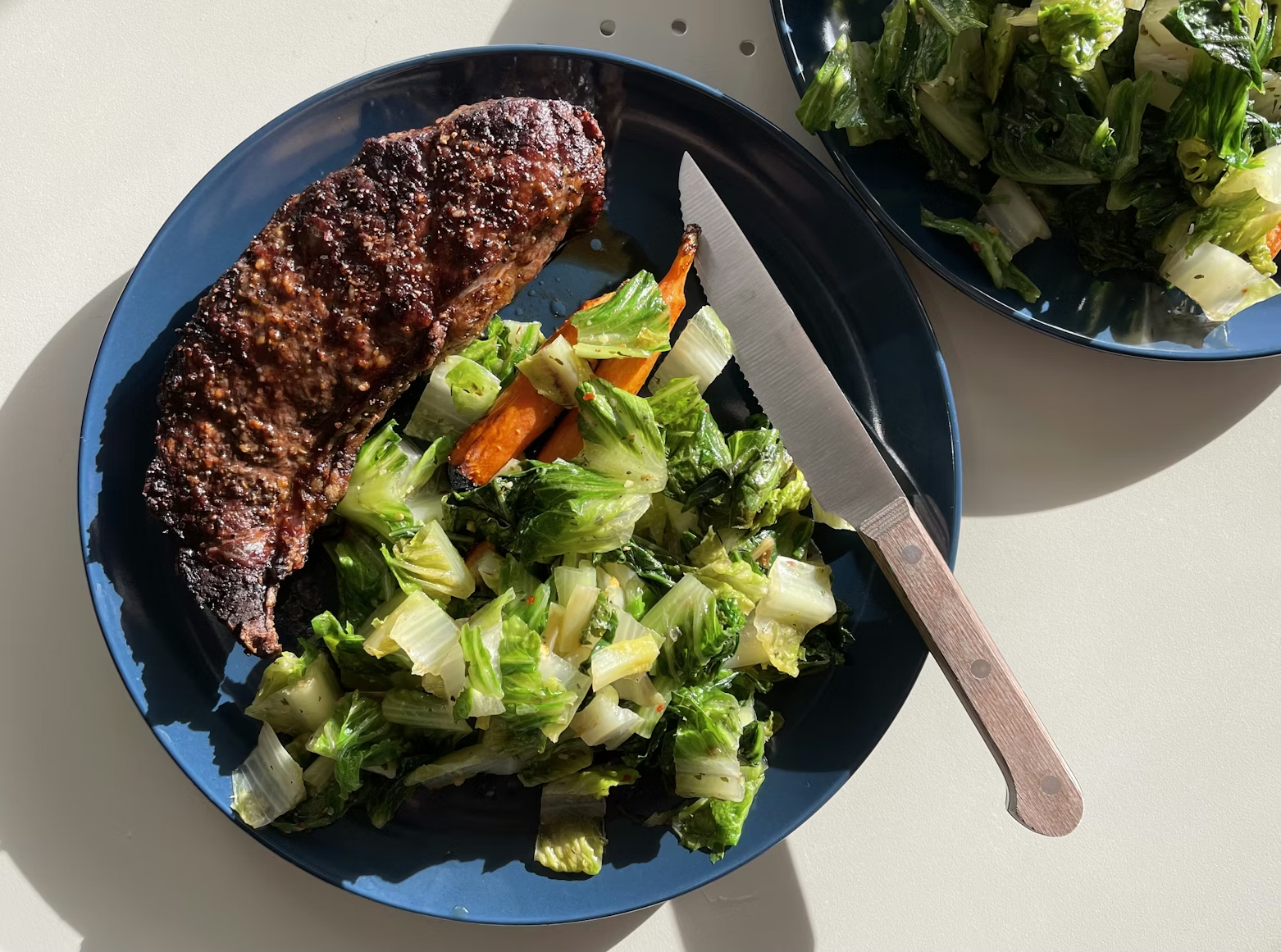
Iron In Your Diet: Why Food Choices Matter More Than You Think
Once we've established that low iron is contributing to your fatigue, the natural next question is: what should I eat? But iron nutrition is more nuanced than simply adding more spinach to your plate. The type of iron you eat, and what you eat it with, determines how much your body actually absorbs and uses.
Heme vs. Non-Heme Iron
Dietary iron comes in two forms. Heme iron is found in animal foods, primarily red meat, organ meat, poultry, and seafood. It's absorbed at a rate of roughly 15 to 35 percent, and that absorption is relatively unaffected by other foods in the meal. Non-haem iron comes from plant sources such as legumes, tofu, fortified cereals, dark leafy greens, seeds, and dried fruit. It's absorbed at a much lower rate, typically 2 to 20 percent, and is highly sensitive to what else you consume at the same time.
This is a critical distinction for anyone following a plant-based diet. You can be eating plenty of iron on paper and still be deficient because the bioavailability is fundamentally lower.
What Enhances Iron Absorption
Vitamin C is the most well-documented absorption enhancer for non-heme iron. Consuming a source of vitamin C alongside your iron-rich meal, such as bell pepper, citrus, strawberries, or broccoli, can increase non-heme iron absorption by up to three to four times. This is one of the simplest, most evidence-based strategies available.
Consuming meat, poultry, or fish alongside plant-based iron sources also enhances absorption. This is sometimes referred to as the meat factor, where components in animal tissue help facilitate non-heme iron uptake.
What Inhibits Iron Absorption
Several common foods and habits significantly reduce iron absorption and are worth understanding if you're dealing with fatigue related to low iron. Tannins found in tea and coffee can reduce non-heme iron absorption by 50 to 90 percent when consumed with or shortly after a meal. Calcium, whether from dairy or supplements, competes with iron for absorption pathways and is best taken separately. Phytates found in raw legumes, whole grains, and nuts bind iron in the gut and reduce uptake. Soaking, sprouting, or fermenting these foods reduces phytate content considerably. Oxalates in high amounts, found in foods like raw spinach and beet greens, can also bind iron, though cooking reduces this effect.
Practical Meal Strategies
Some simple approaches that make a meaningful difference include pairing lentils or beans with a squeeze of lemon juice or tomato-based sauce, avoiding tea or coffee for at least one hour before and after iron-rich meals, cooking in cast iron cookware which can meaningfully increase the iron content of acidic foods, separating calcium-rich foods and calcium supplements from your iron-rich meals by two to three hours, and prioritizing red meat, liver, or seafood two to three times per week if your diet includes animal foods.
How Much Iron Do You Need?
Daily iron requirements vary significantly. Adult women of reproductive age need approximately 18 mg per day due to menstrual losses, while postpartum women and those who are pregnant require considerably more. Men and postmenopausal women need roughly 8 mg per day. Athletes may have needs 30 to 70 percent higher than non-athletes due to increased losses.
In Part 3 of this series, we'll cover iron supplementation: when food alone isn't enough, how to choose the right form of iron, and how to manage the side effects that make so many people stop taking it.


